Endangered Writing Photo Gallery
Ogham
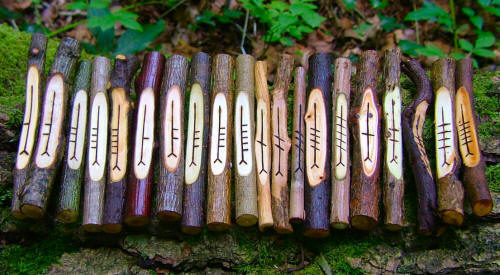
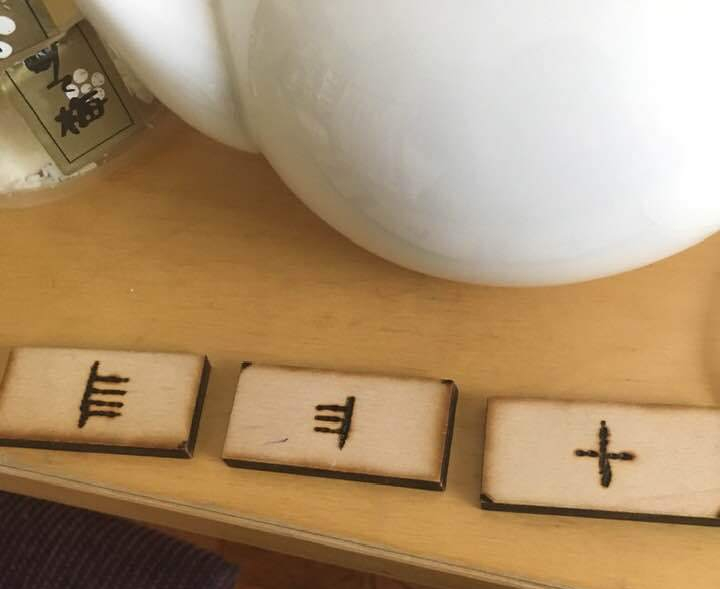
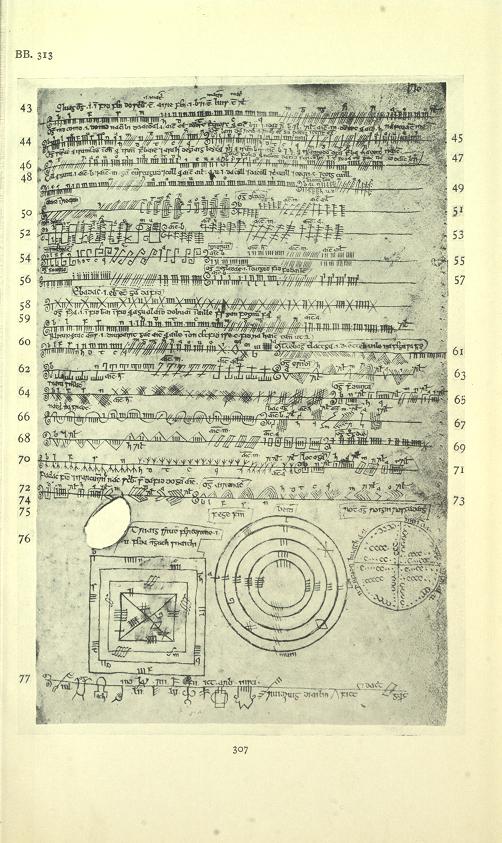
The Ogham Alphabet has been adopted by Contemporary Pagans for the use of divination. Ogham Divination uses a set of 25 graphemes of the Ogham Alphabet. Each grapheme (or 'Feda') is given an associated name of a tree and a meaning. After a Feda is selected via divination, the name and associated meaning is referenced from a list of Bríatharogaim (or 'word ogham'). The Breatharian are cited mainly from 'the Ogam Tract or Book of Ogams, compiled from multiple manuscripts and published by George Calder in his work "Auraicept na n-éces: the scholars' primer; being the texts of the Ogham tract from the Book of Ballymote and the Yellow book of Lecan, and the text of the Trefhocul from the Book of Leinster"'. O'Brien L. (2023) Ogham Divination Meanings and their Historical Significance. https://www.ogham.academy/blog/ogham-divination-meanings.
Sora-Sompeng
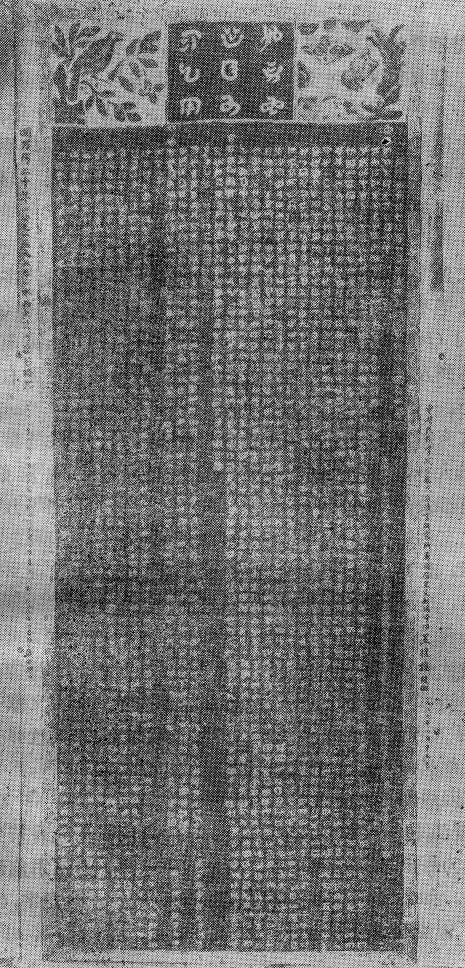
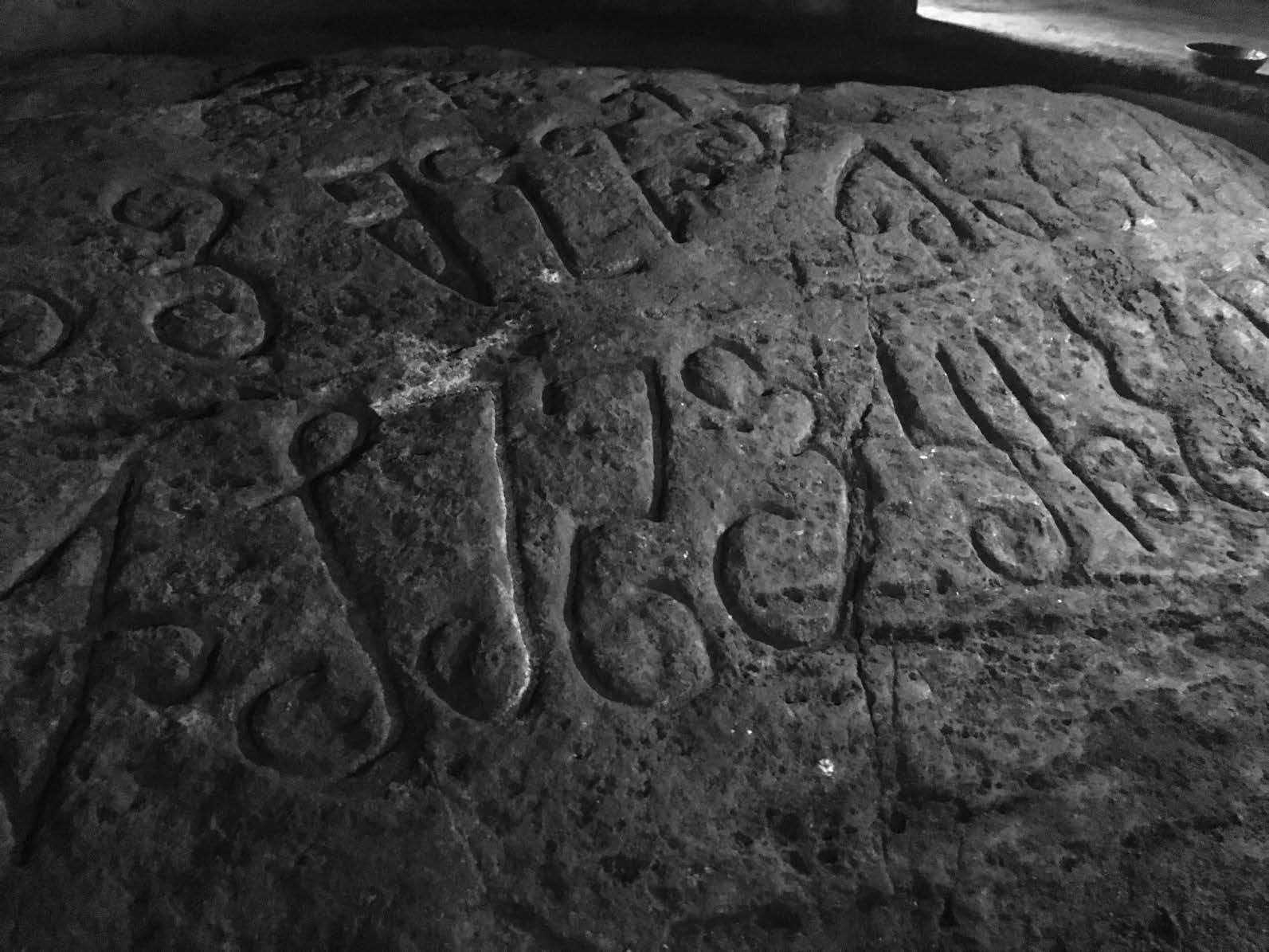
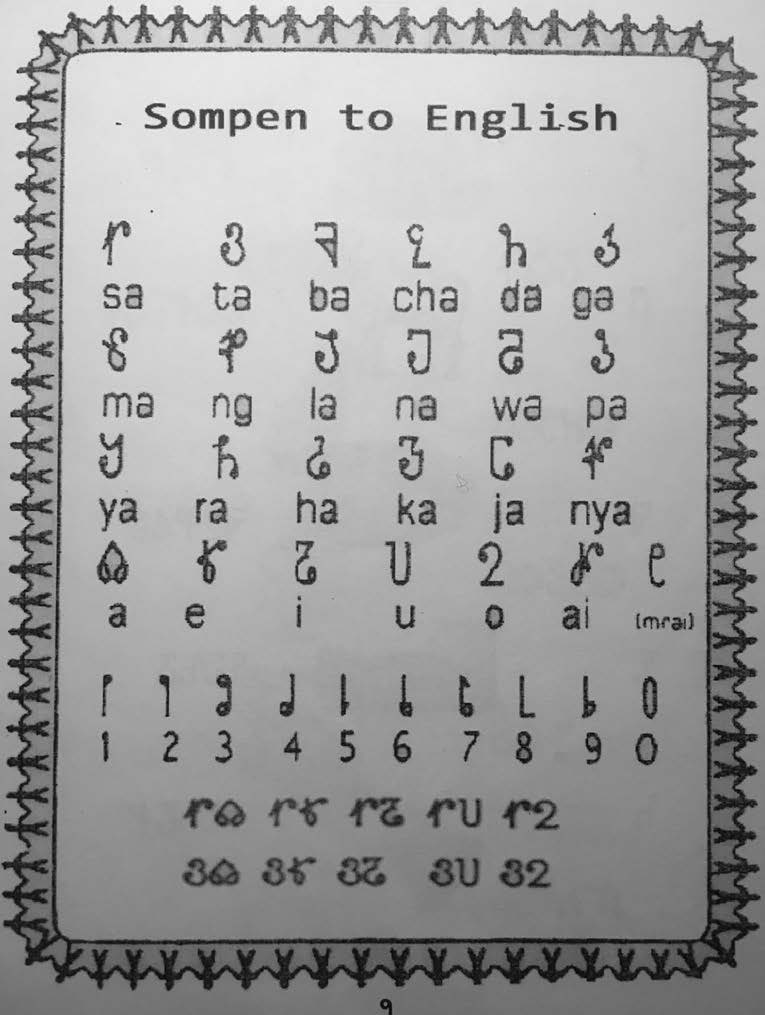
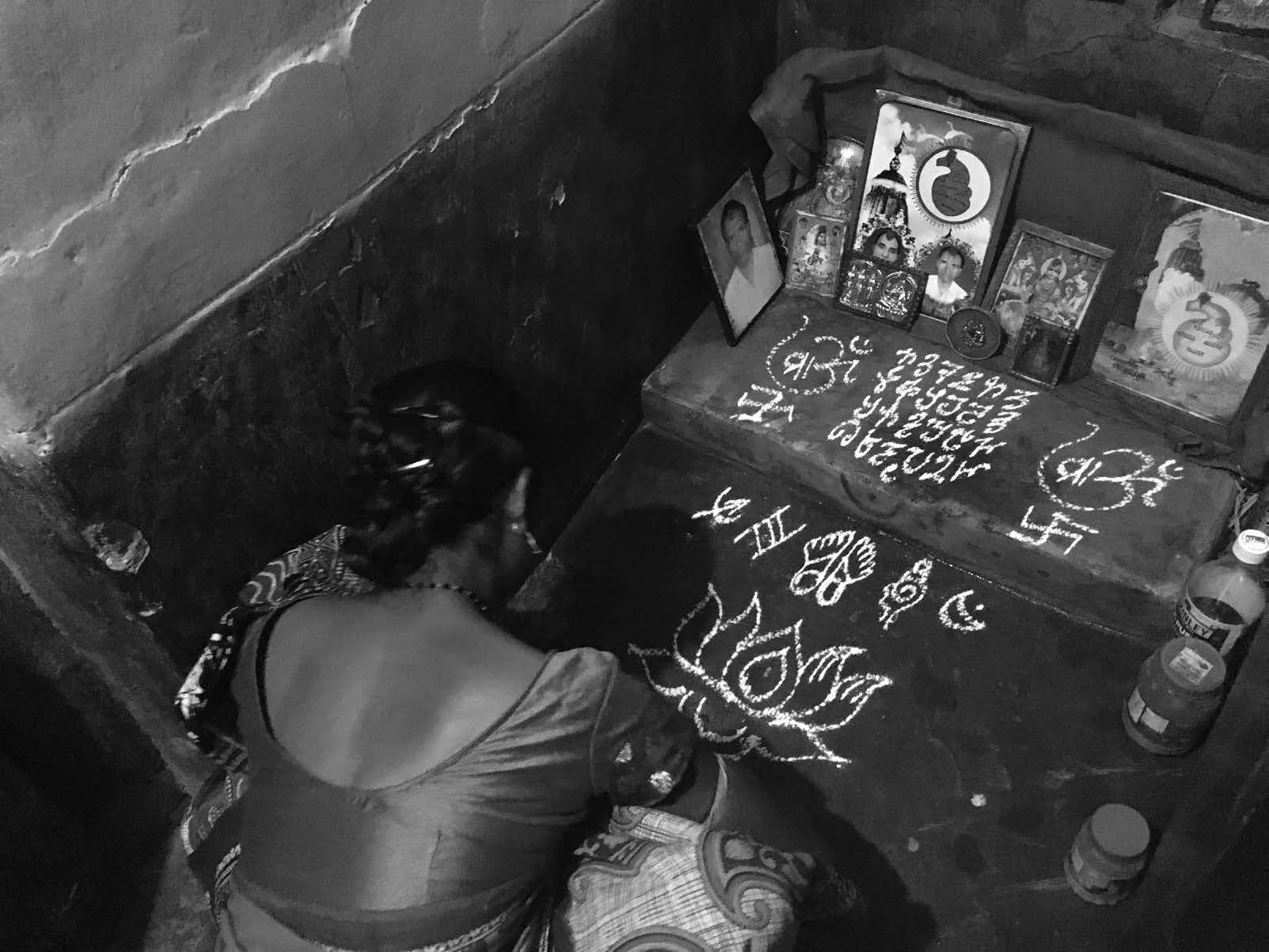
In 1936, Mangaya Gomang allegedly discovered these alphabetic characters engraved on a stone after praying to receive a script for his people; and founded a religious movement whose adepts worship these letters. The reading and writing of this script are skills held by the religious specialist of the Matharvanam movement; and each letter is associated with a spirit. During rituals, a paji'ingda'a (or 'water of spirits') is prepared by one religious specialist verbally reciting the name of each 'spirit-letter' and another religious specialist tracing the character on a slate with chalk. Then the slate is washed with turmeric water, collected, and distributed to devotees so that they may drink the divine letters. Guillaume-Pey C. (2021) A Script 'good to drink': The invention of writing systems among the Sora and other tribes of India. The Social and Cultural Contexts of Historic Writing Practices.
llut'asqa
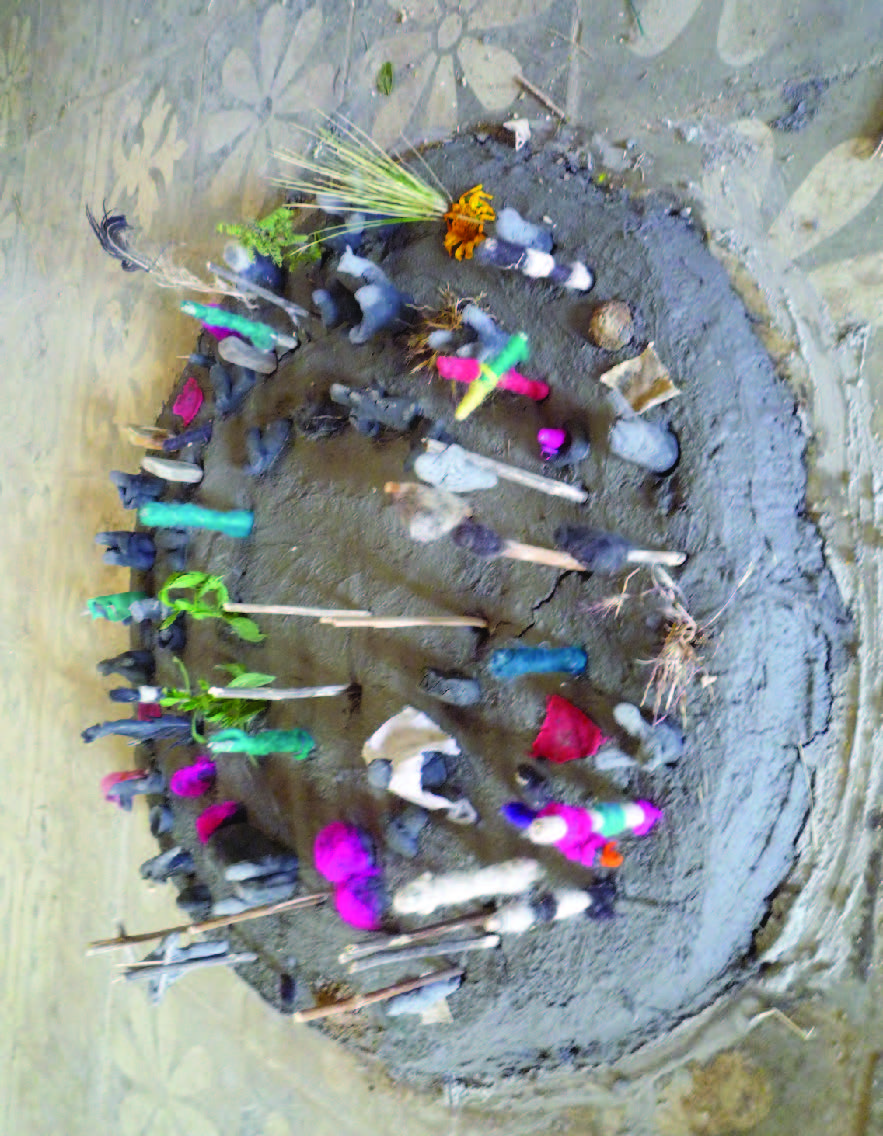
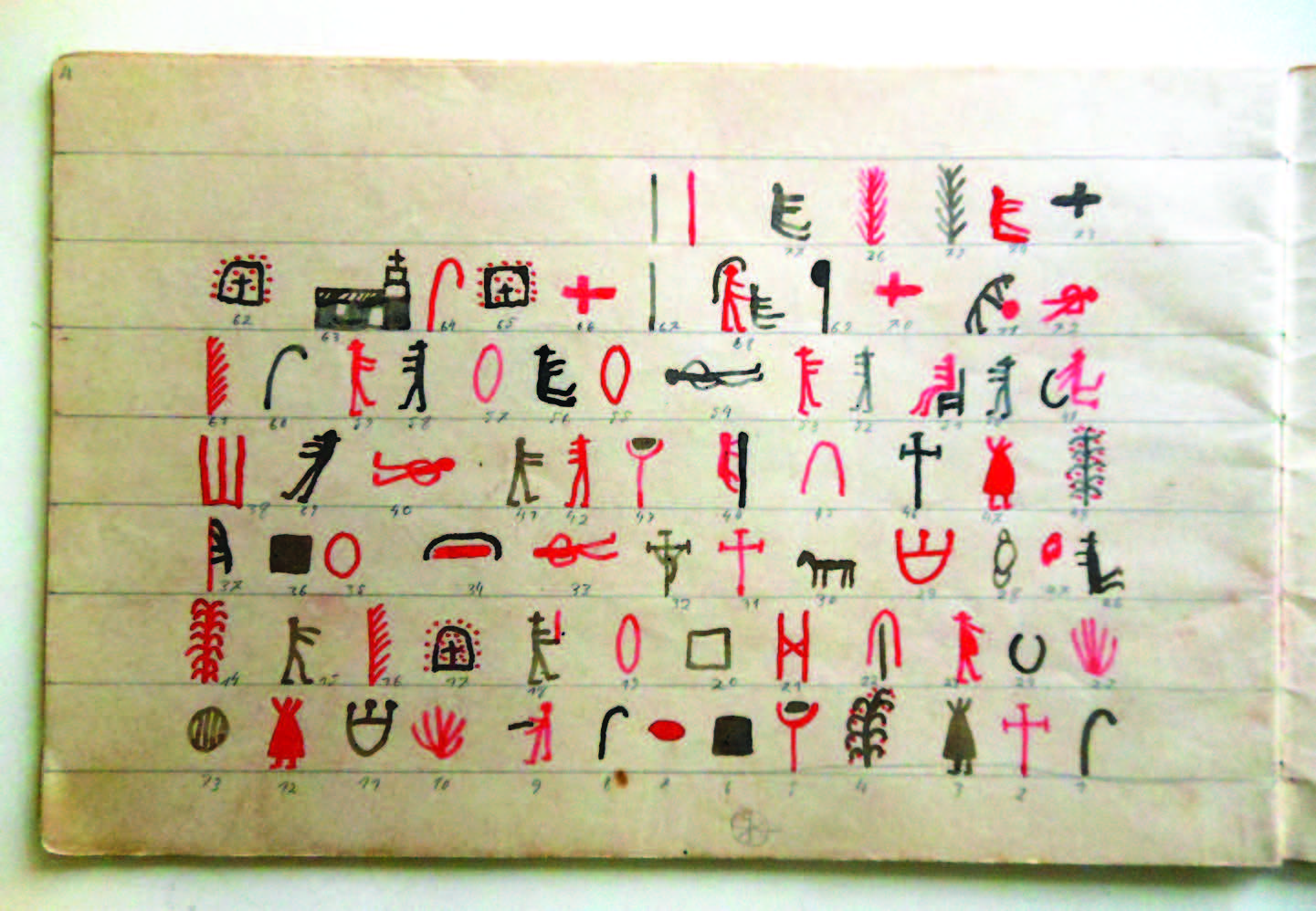
Documented in the 20th century under the name 'La escritura indígena andina', llut'asqa is a writing system comprising of a three-dimensional system to transcribe Catholic texts. Native speakers of Quechua use these pictorial signs to transcribe and lean Christian doctrine in their own language. The three-dimensional pictorial signs are composed of sticks and variations of wool (including variations of spun/unspun, dyed/undyed, color, and monochrome/multicolored). These are placed into a disc of clay and are read clockwise. Each year these three-dimensional clay discs, associated with figures and objects as signs, (or llut’asqa) are produced in correspondence with Lent and are destroyed at the end of Lent.